Temple Emanu-El celebrates America at 250: Jewish Beginnings in a New Land
Stories of the Revolutionary War tend to focus on Betsy Ross sewing the Stars and Stripes, Paul Revere’s midnight ride to warn the Minutemen and George Washington and his ragtag army barely surviving the winter at Valley Forge.
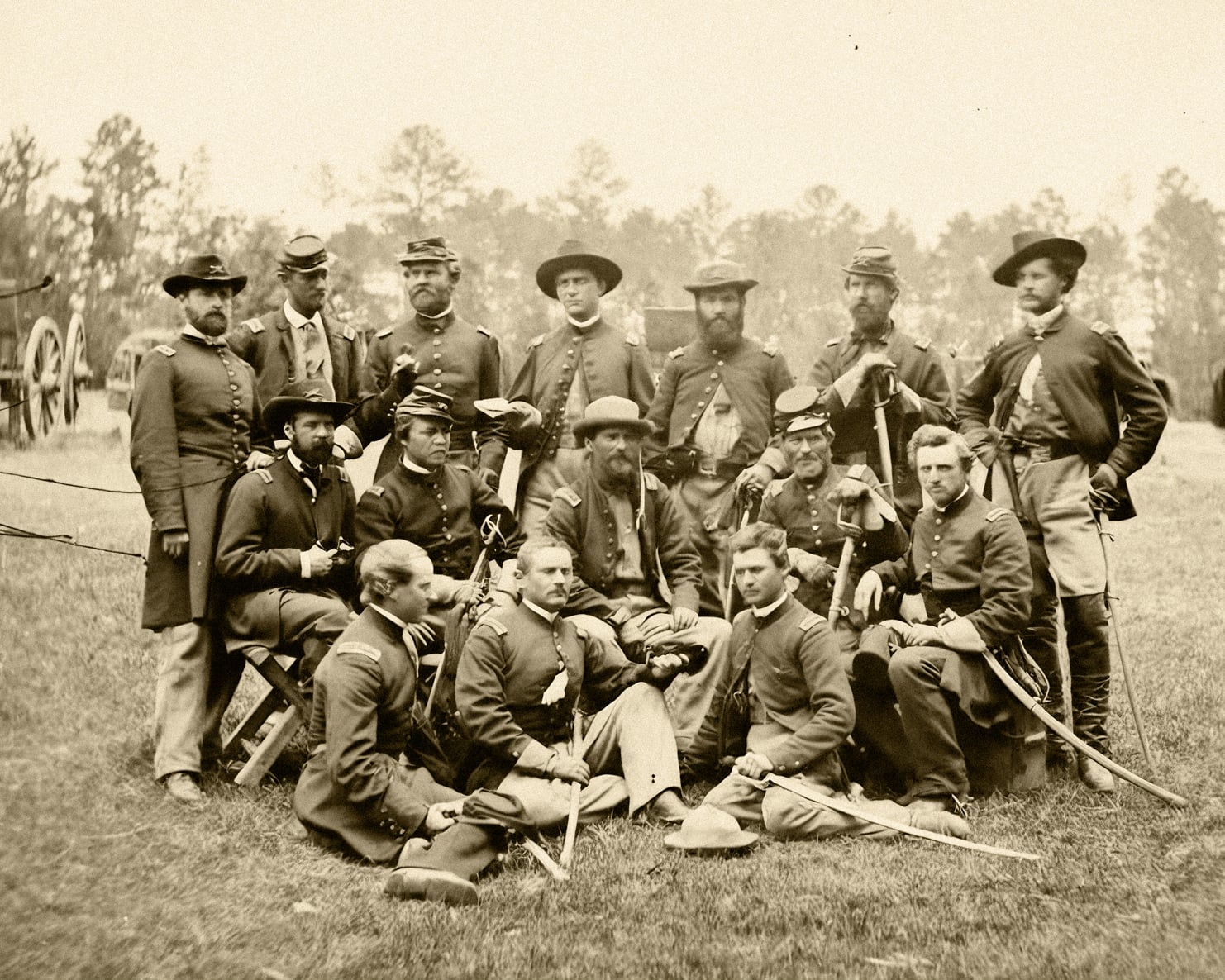
But Haym Salomon is sometimes absent, even after being sentenced to execution for attempting to blow up a British warehouse on Washington’s orders, escaping and helping to finance the decisive Battle of Yorktown, as is Francis Salvador, the first Jew killed in the Revolutionary War. Missing too is Mordecai Sheftall, the highest-ranking Jewish officer in the Continental Army.
While Jews made up less than 0.04 percent of the American population in 1776, they left an indelible mark on the nation’s founding.
As we celebrate the Semiquincentennial of the Declaration of Independence, The Temple Emanu‑El Streicker Cultural Center is proud to highlight and honor the often-overlooked contributions of our Jewish forebears in a program led by Dr. Jonathan Sarna (Brandeis University), Dr. Laura Arnold Leibman (Princeton University), Joseph Weisberg (PhD candidate, Brandeis University), Dr. Shari Rabin (Oberlin College) and Dr. Toni Pitock (Drexel University), some of the foremost experts in early American Jewish history.
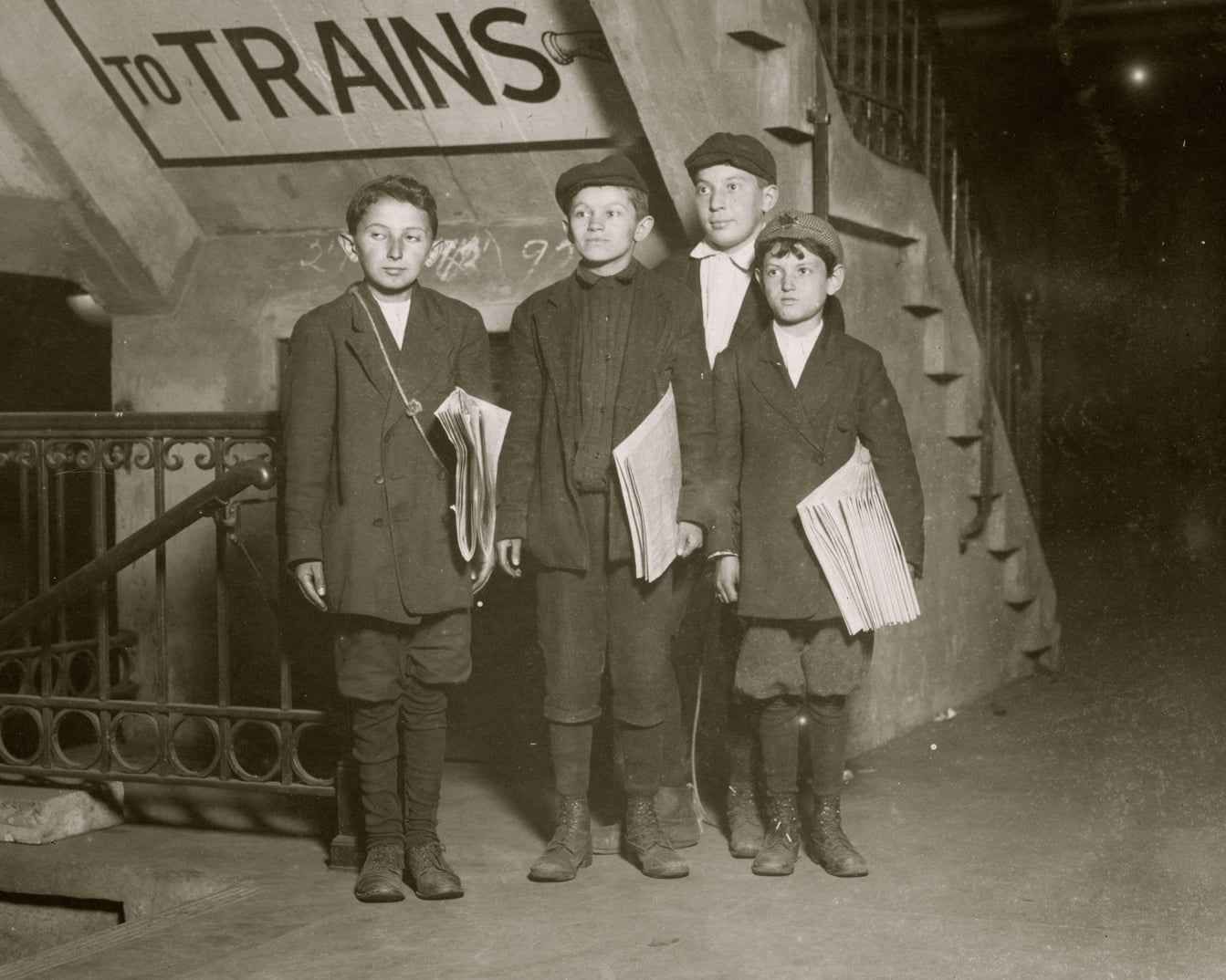
Jewish Newsboys in South Philadelphia
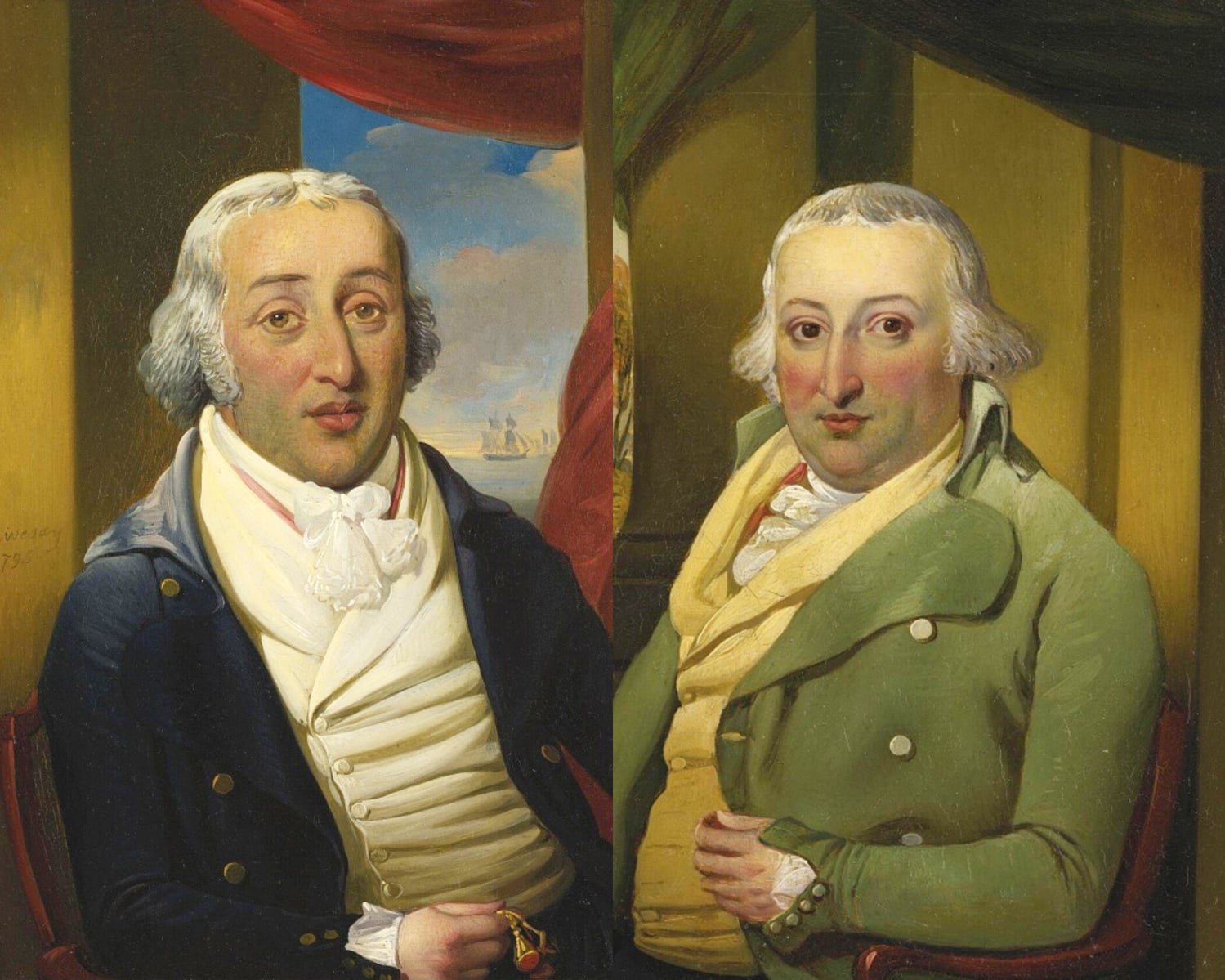
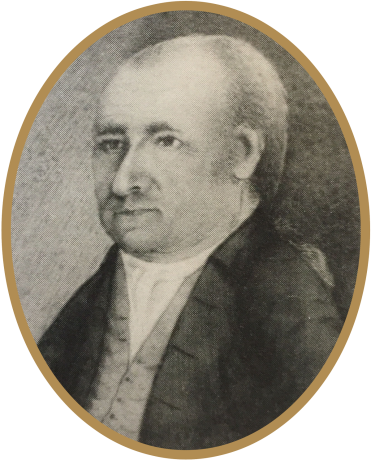
A portrait of brothers Moses and Samuel Hart depicts members of the Jewish community in Newport, Rhode Island. it tells a story of resilience during the Revolutionary War, circa 1795
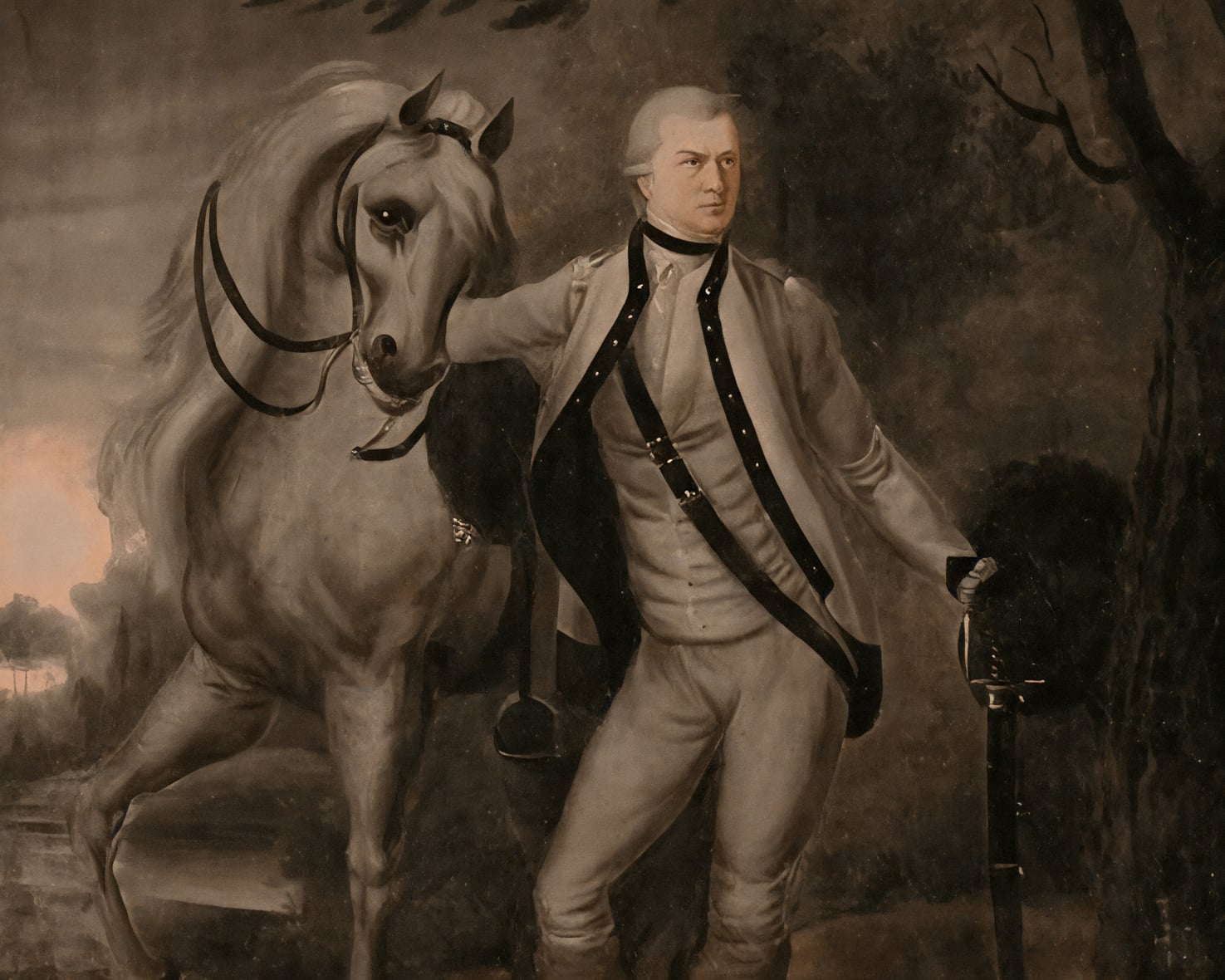
Francis Salvador, the first Jew killed in the Revolutionary War
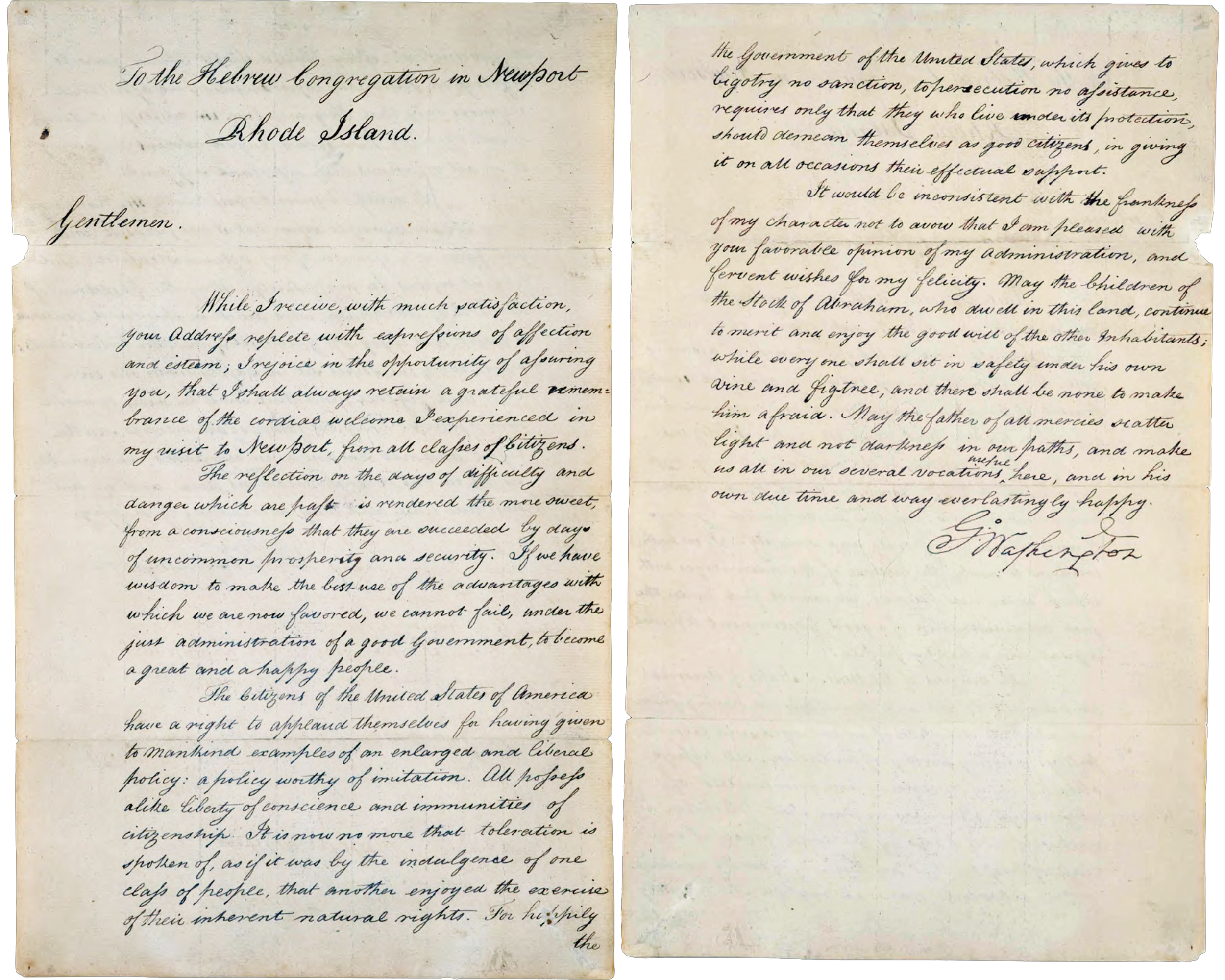
A letter from George glass of wine to the future. Washington addressed to the Hebrew congregation in Newport, Rhode Island
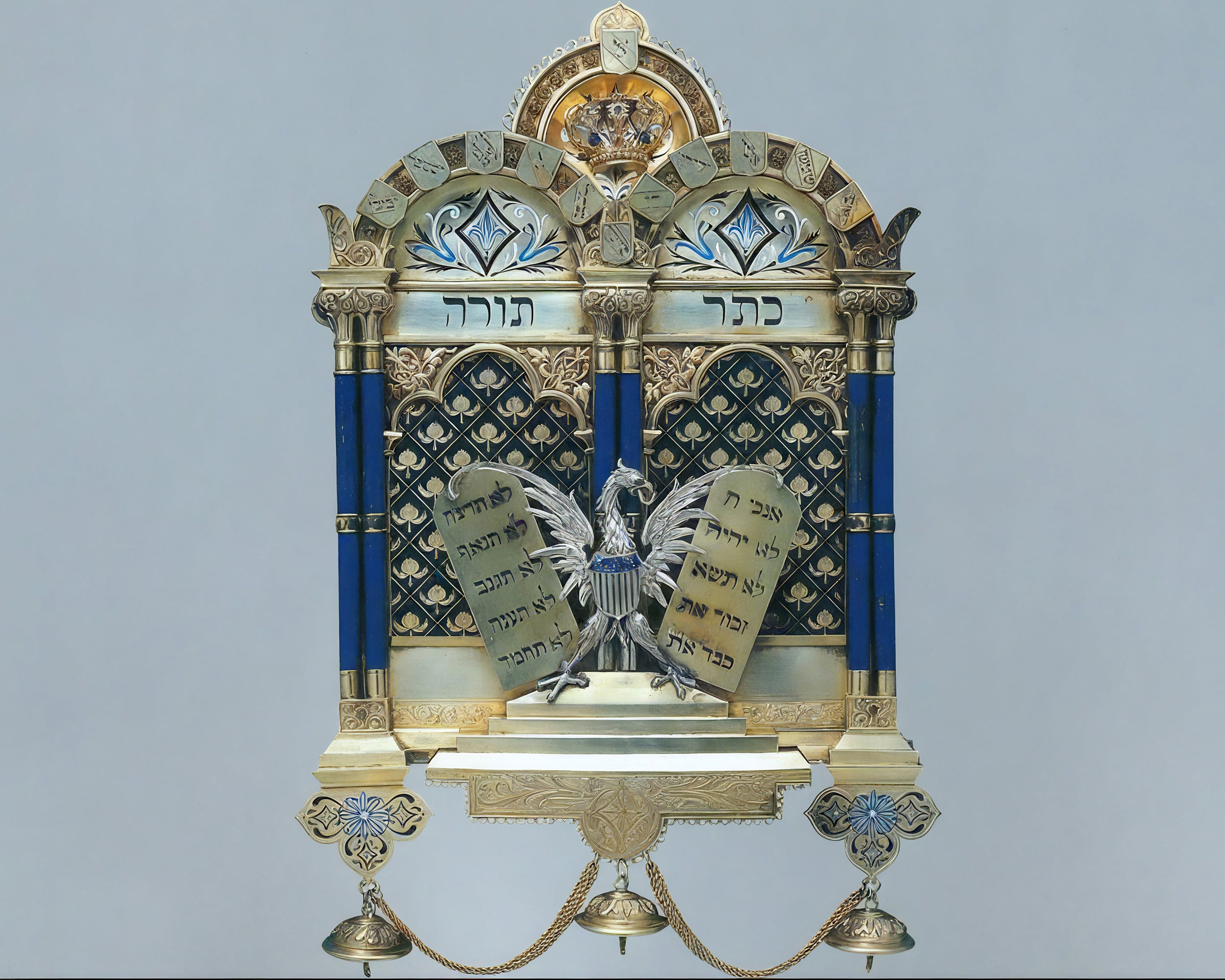
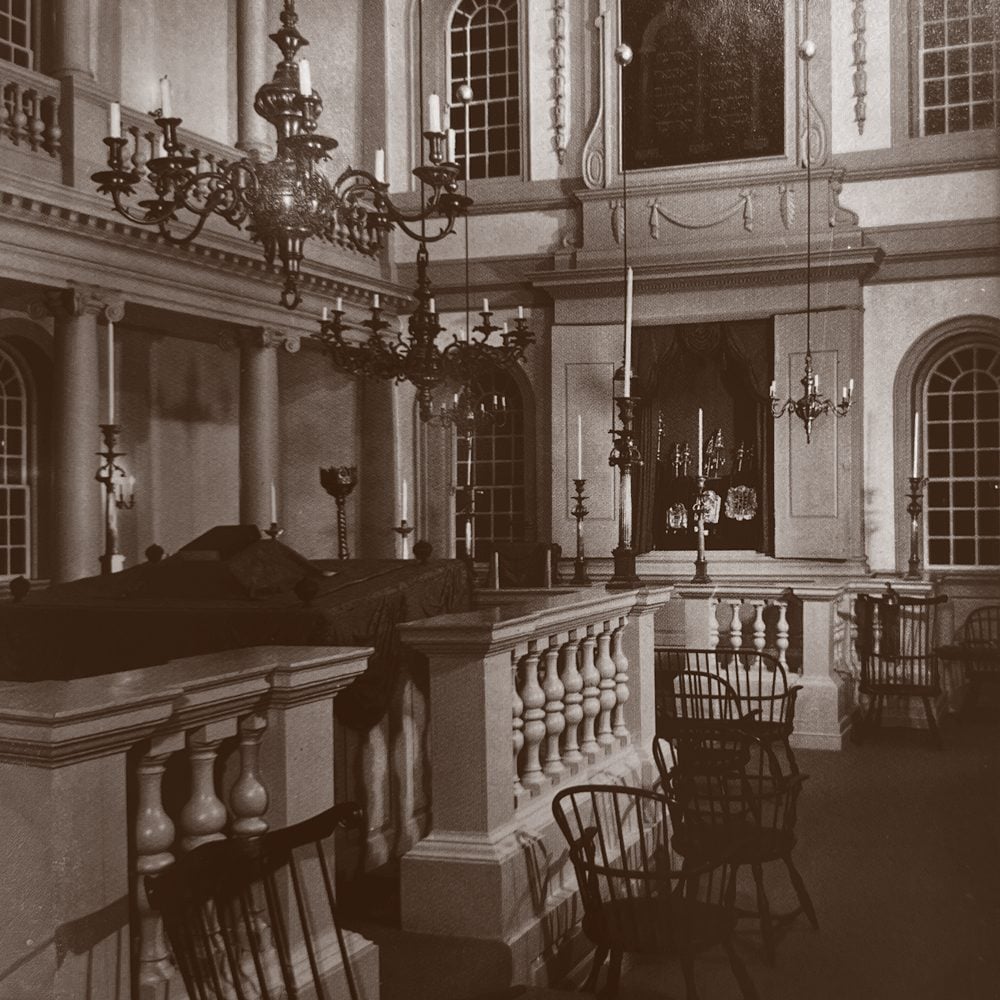
Touro Synagogue, America’s oldest synagogue still standing, in Newport, Rhode Island
What led Jews to cross the Atlantic, first to the New World in 1630 and later to North America in 1654? What pressures were they fleeing, and what opportunities were they seeking?
As the American colonies moved toward independence, how did Jewish immigrants’ European experiences shape their political loyalties and moral choices? Why did some support the Revolution while others opposed it, and what tensions did these decisions create within the emerging Jewish communities?
Join Dr. Jonathan Sarna (Brandeis University) and Dr. Laura Arnold Leibman (Princeton University), two of the foremost experts on early American Jewish history, to explore how Jews experienced, debated and helped shape the American Revolution — and how their choices during this pivotal moment reshaped both Jewish life and American history.
Touro Synagogue, America’s oldest synagogue still standing, in Newport, Rhode Island
By 1775, Newport was home to one of the largest Jewish communities in the American colonies and to what remains the oldest extant synagogue in North America. The city’s Jewish population included Sephardic Jews, many of whom were only the first or second generation of their families to openly practice Judaism after emigrating from the Iberian Peninsula, as well as Ashkenazi Jews from Western and Central Europe.
Marked by extraordinary mobility, these Jews reclaimed and reshaped their Jewish identities in the Atlantic world. Together, they established themselves as merchants, shopkeepers, shipowners and, in some cases, participants in the Atlantic slave trade.
The American Revolution proved devastating for Newport. As British forces occupied the city, many residents departed, including members of the Jewish community, some of whom left with the British army, while others sought refuge in Massachusetts,
Connecticut or New York. These departures occurred despite the Tory sympathies of Newport’s longtime spiritual leader, Isaac Touro, and reflected the profound disruption the war inflicted on the city as a whole.
Join Dr. Jonathan Sarna (Brandeis University), one of the foremost experts in American Jewish history, and Joseph Weisberg, doctoral candidate in the History Department at Brandeis University, to explore how the Jews of Newport navigated the early years of the American Revolution and how their decisions shaped both Jewish life and the wider community.
Mordecai Sheftall from the Province of Georgia was a merchant who served as a colonel in the Continental Army. He was the highest-ranking Jewish officer
On the eve of the American Revolution, Savannah’s Jewish community was one of the largest in the country — a center of merchants and landowners, most of Portuguese descent. Once the British occupied the city, many chose or were forced to leave.
Mordecai Sheftall, head of the Revolutionary committee, for example, was captured, served pork (which he refused to eat) and imprisoned; and Abigail Minis, a landowner and prominent community member, was forced to leave her home after the British discovered her support for the rebels.
Charleston, home to a small Jewish population since the 1690s, grew significantly in 1741 when families fled Savannah after the colony’s trustees outlawed slavery and amid fears of conflict with Spain due to the persistence of the Inquisition.
During the Revolutionary War, Charleston Jews formed a “Jew Company” to fight the British. The local hero was Francis Salvador, a young member of the provincial congress killed and scalped at the age of 29 by Native Americans allied with the British.
Join Dr. Laura Arnold Leibman (Princeton University) and Dr. Shari Rabin (Oberlin College), prominent scholars of American Jewish history, to explore how the Jews of Savannah and Charleston navigated the Revolution and how their choices shaped both Jewish life and the broader Southern colonies.
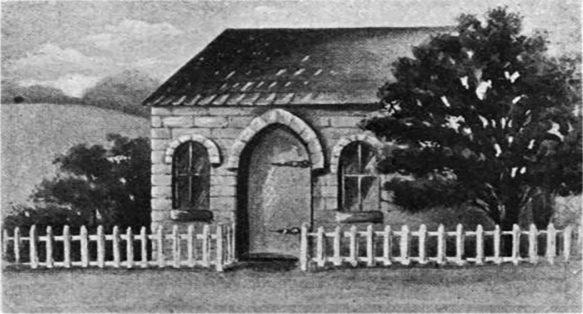
Above: Mill Street Synagogue, the first synagogue in North America
Below: Jewish Newsboys in South Philadelphia
When the British fleet was on the verge of landing in New York City in 1776, Reverend Gershon Mendes Seixas called the community together at his Mill Street Synagogue. After delivering a patriotic address, he removed some of the Torahs for safekeeping and fled to Connecticut. Most of the city’s roughly 400 Jews followed suit, though some remained behind to keep the synagogue open. A handful even signed a “Declaration of Dependence” in support of continued British rule. While women were not asked to sign, some Jewish daughters stitched their views on the war into their needlework.
By the eve of the Revolution, only about 300 Jews lived in Philadelphia, but the community grew rapidly during the war as the city became a refuge for patriot Jews fleeing British-occupied cities. This ingathering fostered new business partnerships and marriages; for generations afterward, families passed down silk slippers worn at Jewish weddings during the war years. While some Philadelphia Jews remained loyal to Britain, most pledged not to trade in goods shipped from England. Members of the Continental Congress meeting in the city were clearly familiar with Jews: Benedict Arnold’s aide-de-camp was Jewish, and perhaps the most famous Jewish hero of the Revolutionary War was Philadelphia’s Haym Salomon, who helped save Washington’s army by contributing his own funds and selling bonds to raise the money needed to pay soldiers ahead of the Battle of Yorktown.
Join Dr. Laura Arnold Leibman (Princeton University) and Dr. Toni Pitock (Drexel University), nationally recognized scholars of American Jewish history, to examine how the Jews of New York and Philadelphia experienced, contributed to and were shaped by the Revolution.
In-Person Event Thursday, April 16, 2026 | 6:30 PM
$25 | includes a glass of wine
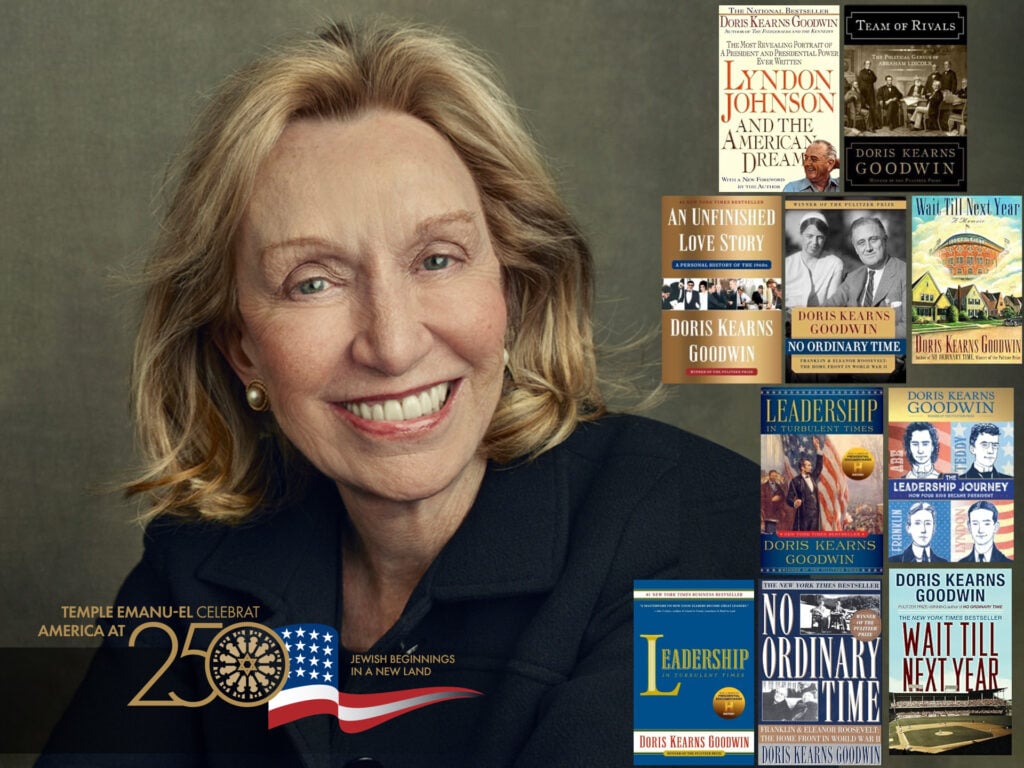
We invite you to an evening of history, stories and wine with renowned historian Dr. Doris Kearns Goodwin, inaugurating our year-long Semiquincentennial celebration.
Through storytelling and a lifetime of historical scholarship, Dr. Goodwin explores the leadership of American presidents at defining moments in the nation’s history, sharing engaging anecdotes, behind-the-scenes stories, and her signature wit that bring insight and life to the study of history.
Join us for an evening of conversation, reflection and connection as we celebrate America’s past, honor its present and raise a glass of wine to the future.
A day trip to the
Weitzman National Museum of American Jewish History
in Philadelphia
PAST EVENT
In-Person Event
Sunday, May 3, 2026 | 9:00 AM–5:00 PM $99 | Includes bus, museum visit
and lunch
Special presentation by Dan Tadmor, President and CEO
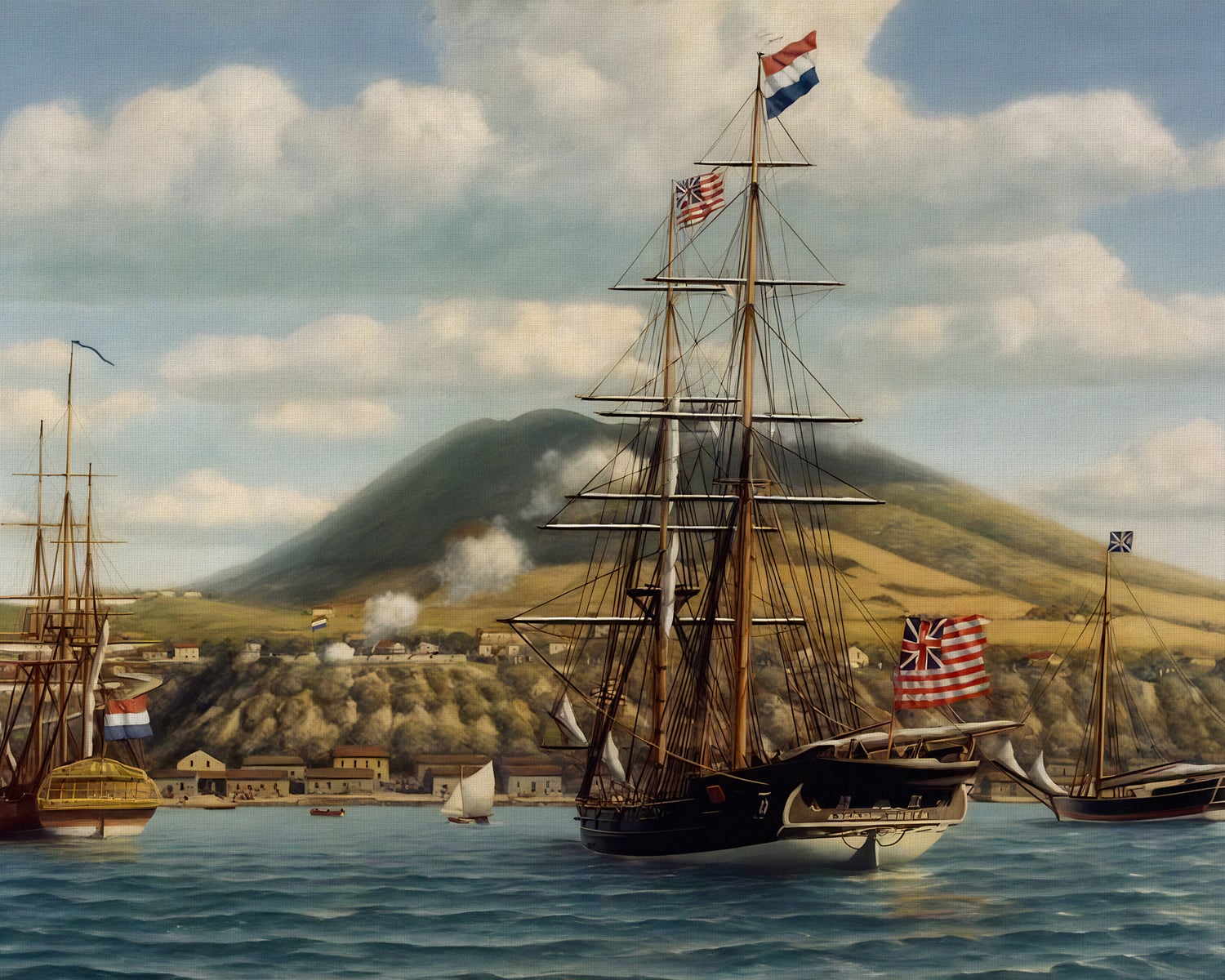
In 1776, the Caribbean island of St. Eustatius became the first independent entity to recognize the United States, thanks in part to Jewish merchants who supplied American revolutionaries with gunpowder. To mark the 250th anniversary of US independence, the Weitzman National Museum of American Jewish History has assembled rare artifacts that tell the story of Jews in the Caribbean, their role in the Revolutionary War and the price they paid to support the American cause.
Think Hamilton meets Pirates of the Caribbean, with revealing moments from Jewish life during the Revolution that show how religious freedom and antisemitism shaped both the war and the nation’s founding.
Temple Emanu-El invites you to a musical celebration honoring the Jews who helped shape this nation as we toast 250 years of American independence.
Join Broadway performers Jenny Lee Stern (Rocky: The Musical, Forbidden Broadway) and Cooper Grodin (The Phantom of the Opera national tour, Masquerade) for a mini-concert featuring beloved selections from the Jewish American songbook.
Highlights include Irving Berlin’s “God Bless America”, Neil Diamond’s “America”, Frank Sinatra’s “The House I Live In” and Jay and the Americans’ “Only in America,” produced, directed and hosted by Scott Siegel, creator of Town Hall’s Broadway by the Year series.
With special readings and prayers offered by our clergy, we will celebrate America’s Semiquincentennial with Jewish flair.
To commemorate the 250th anniversary of the founding of the United States, the Orchestra of St. Luke’s returns to The Temple Emanu-El Streicker Cultural Center – for their 52nd time! – with a concert celebrating the richness and diversity of American music.
Their performance will include works that run the gamut from the traditional folk songs incorporated into Aaron Copland’s Rodeo and selections from his Old American Songs, to Karen LeFrak’s “Space,” “Gravity” and “Prairie Dawn;” Philip Glass’ modern minimalist “Suite” from The Hours; and Jessie Montgomery’s anthem to a multi-cultural nation written for the 200th anniversary of “The Star-Spangled Banner.”
In Memory of Richard L. Menschel and Robert B. Menschel, whose vision and dedication brought the treasured musical tradition of Orchestra of St. Luke’s concerts to Temple Emanu-El.
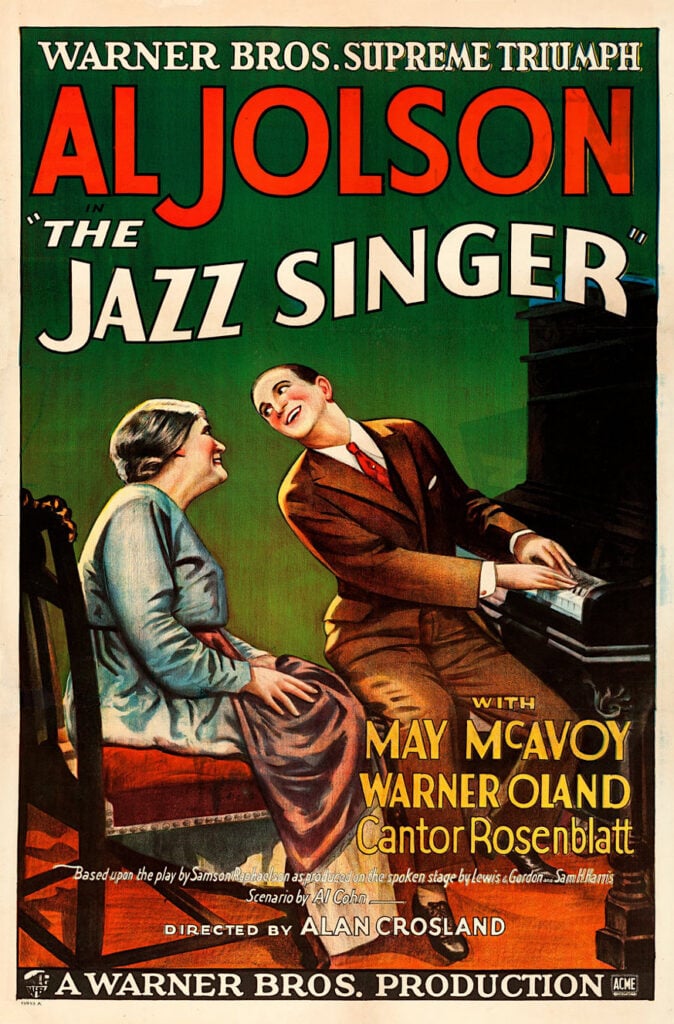
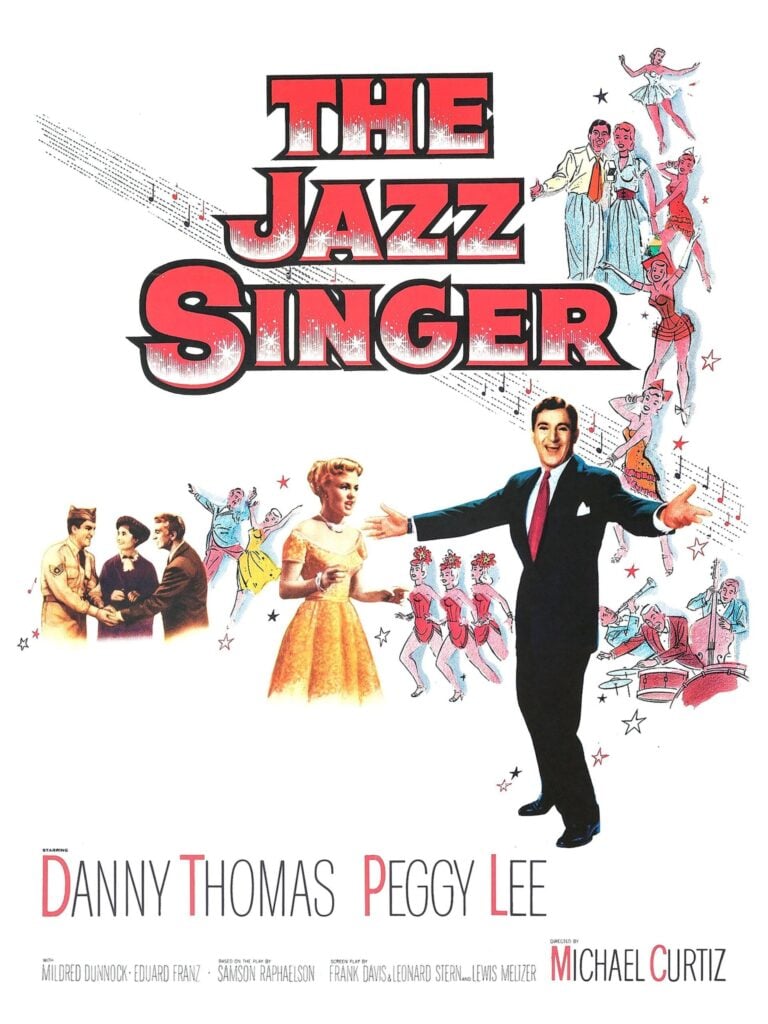
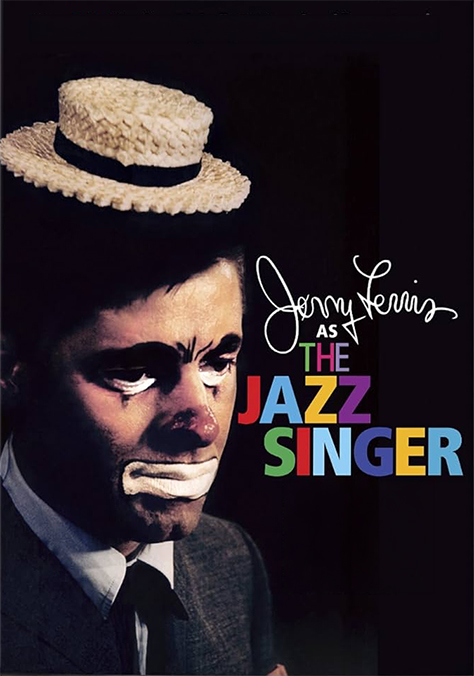
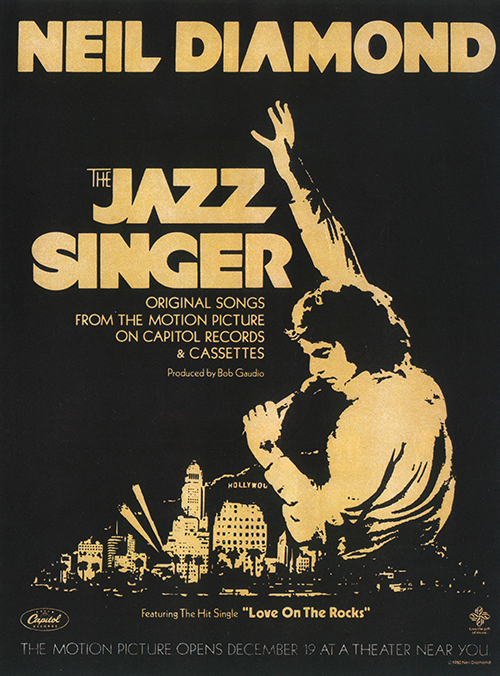
The Jazz Singer: Four Adaptations, One Jewish American Story
A Skirball Academy Class With Dr. Eric Goldman
In this 4-part course, we will follow the evolution of the Jewish American story of a first-generation son torn between religious and cultural tradition and the lure of the American dream.